
Yoga and Movement at Creative Hearts CIC
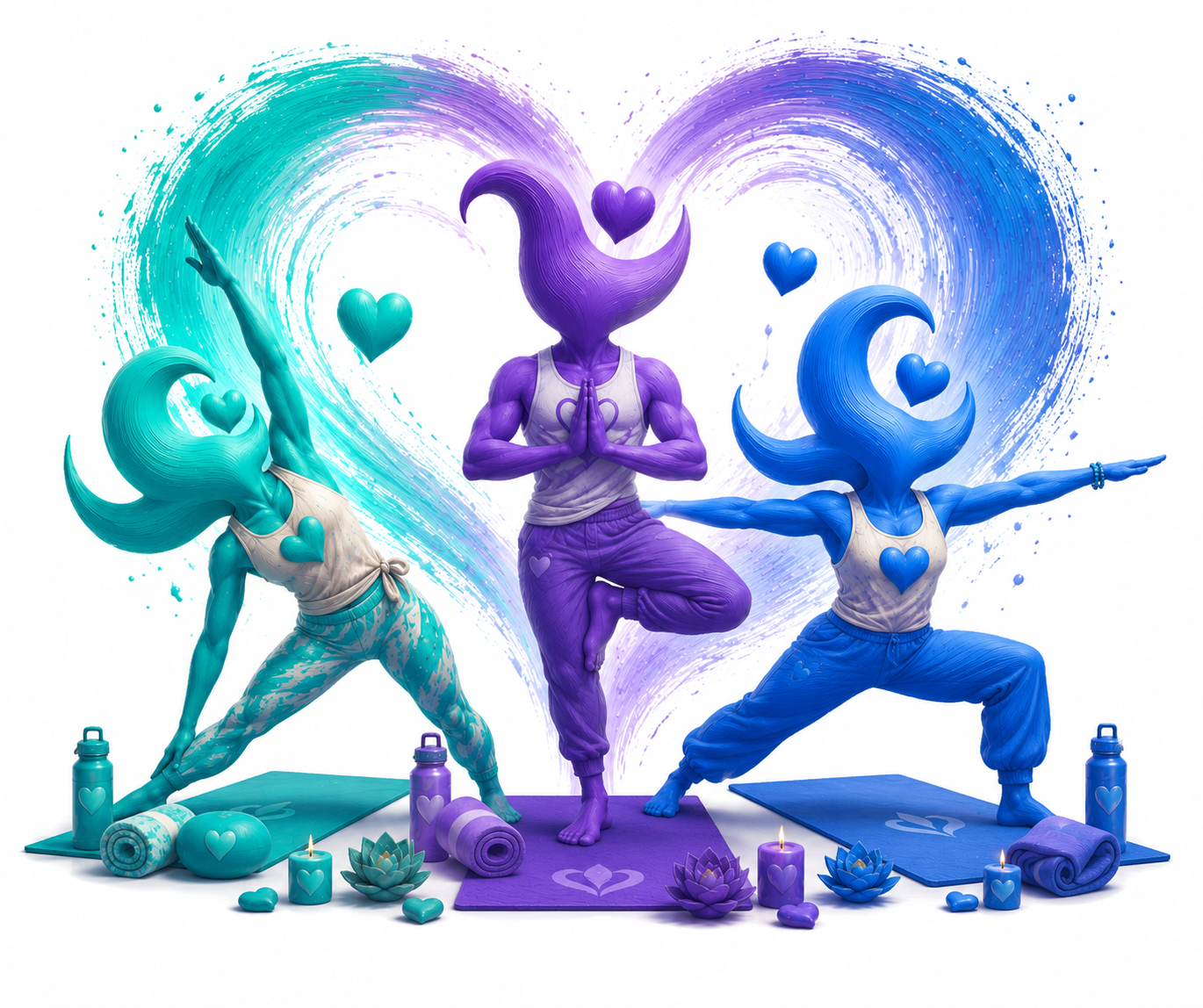
A creative space can do more than make room for art, music, craft, or conversation. It can also make room for the body. That matters, because creativity is not only something that happens in the mind. It lives in posture, breath, rhythm, rest, coordination, confidence, and play.
Yoga and movement at Creative Hearts CIC offers a gentle way to bring those parts together. It is a chance to slow down, notice how the body feels, and explore movement without pressure to perform. For many people, that can be as valuable as the movement itself.
This kind of practice is not about perfect poses or complicated routines. It is about connection, choice, and feeling safe enough to move in a way that suits the body on the day.
The ideas below are general and informational. Anyone with a health condition, injury, pregnancy-related concern, or medical question should seek guidance from a qualified health professional before starting a new movement practice.

Why yoga and movement fit a creative community
Creative work often asks people to be present. Drawing, singing, dancing, writing, making, and sharing all become easier when there is some sense of grounded attention. Yoga and mindful movement can support that by offering a simple route back into the body.
A community interest company often works with people from different backgrounds, ages, abilities, and life experiences. That makes the style of movement especially important. A class or session built around comparison can make people feel shut out. A session built around curiosity can do the opposite.
At its best, yoga and movement can help create:
A calmer start to the day or session
A short breathing practice or gentle stretch can help people arrive before they begin creative work.
A shared sense of safety
Moving together at a steady pace can build trust without needing lots of words.
More confidence in the body
Small movements, repeated with care, can help people notice strength, balance, and comfort.
Space for expression
Movement can unlock feelings, ideas, and memories that are hard to access through talking alone.
This is why Yoga and Movement at Creative Hearts CIC belongs so naturally within a creative setting. The aim is not to turn everyone into a yoga expert. The aim is to support the whole person.
What a welcoming session can look like
A thoughtful yoga and movement session does not need to be complicated. In fact, the simpler it is, the more accessible it often becomes.
A session may begin with a few moments of stillness. That might mean sitting on a chair, lying on a mat, standing with feet grounded, or simply noticing the breath. From there, the movement can build slowly.
The pace matters. People need time to understand an instruction, try it, adjust it, and decide whether it feels right. A welcoming facilitator gives options and avoids treating one version as the “proper” version.
Gentle yoga
Gentle yoga may include familiar shapes such as seated side bends, simple twists, supported forward folds, or standing balance work. These can be adapted in many ways.
A pose might be practised:
On a mat
On a chair
Standing near a wall
With blocks, cushions, or blankets
As a smaller movement rather than a full shape
This makes the practice less about flexibility and more about awareness. A small shoulder roll done with attention can be more useful than a dramatic stretch done with strain.
Mindful movement
Mindful movement can include yoga-inspired actions, but it can also draw from natural movement patterns. Reaching, turning, stepping, swaying, tapping, shaking out the hands, or exploring rhythm can all have a place.
This type of movement works well in creative spaces because it leaves room for play. A group might explore moving like water, creating shapes with the arms, or noticing how a line drawn on paper changes after a short movement practice.
The key is consent and choice. People should feel able to pause, watch, adapt, or take part in a different way.
Breath and rest
Breathing practices can be useful, but they need care. Not everyone finds breath focus relaxing. For some, it can feel uncomfortable or too intense. A trauma-aware approach may offer choices, such as noticing the feet, listening to sounds in the room, or feeling the support of a chair instead.
Rest is also part of the practice. A few minutes of quiet at the end can help the nervous system settle. Rest may happen lying down, seated, or standing. There is no single correct way to be still.

Making movement accessible without making it bland
Accessible movement is sometimes misunderstood as movement that is too easy, too slow, or lacking depth. In reality, accessibility asks for more skill, not less.
A good accessible session has structure. It may use clear themes, repeated movements, and steady pacing. It gives people enough support to feel safe and enough freedom to make choices.
That balance matters because bodies change from day to day. Energy, pain, mood, confidence, balance, and focus can all shift. A person may need a chair one week and prefer the floor the next. Someone else may want to move strongly but avoid certain positions. Another person may simply need permission to rest.
Good practice can include:
Clear invitations rather than commands
Options for seated, standing, and floor-based movement
Plain language
Time to pause between movements
Props that support comfort
Respect for personal boundaries
No pressure to close the eyes
No hands-on adjustments unless clearly agreed
Accessibility also includes the emotional feel of the space. Some people arrive with anxiety about exercise. Some may have been told they are “not flexible” or “not sporty”. Others may feel self-conscious in a group.
A warm session removes as many barriers as possible. It avoids competition. It avoids praise that centres appearance. It values attention, effort, and self-knowledge.
A useful phrase in this kind of setting is: the body is the guide. If something hurts, feels wrong, or creates stress, it can be changed. If something feels steady, spacious, or interesting, it can be explored.
The link between movement and creativity
Movement can change the way people create. This does not mean it magically produces inspiration. It means it can shift attention, mood, and physical readiness.
Think about the difference between trying to make something while tense and trying to make something after a few minutes of gentle movement. The shoulders may soften. The breath may become easier. The hands may feel warmer. The mind may have a little more space.
Creative Hearts CIC, by its very name, suggests care, artistry, and community. Within that kind of space, yoga and movement can sit alongside creative activity in practical ways.
A session might include:
Gentle movement before a craft workshop
Breath and grounding before singing or speaking
Stretching for hands, wrists, and shoulders before making
Movement games that support confidence and group connection
Quiet rest after emotionally expressive work
Free movement followed by drawing, journalling, or mark-making
The body often carries stories before words can explain them. Movement can offer a non-verbal way to explore those stories safely, especially when the practice is gentle and choice-led.
There is also value in rhythm. Repeated movement can support focus in the same way repeated brushstrokes, knitting stitches, drumbeats, or song phrases can. The repetition becomes a steady container. Inside that container, people can experiment.

What participants may take from the practice
The benefits of yoga and mindful movement vary from person to person. Some people notice physical ease. Some value the social contact. Some come for calm. Others enjoy having a regular space where they can move without judgement.
Common experiences may include:
Feeling more aware of posture and tension
Learning gentle ways to stretch and mobilise
Building balance and coordination over time
Having a tool for settling before or after creative work
Enjoying connection with others in a relaxed setting
Feeling more confident about taking up space
The social side should not be overlooked. Movement in a community setting can help people feel less alone. There is something powerful about sharing a quiet room, breathing at a steady pace, or laughing when a balance shape wobbles.
That shared experience can soften the idea that wellbeing has to be private or perfect. It becomes something people practise together.
Progress can look different for everyone
Progress in yoga is often pictured as deeper stretches or more advanced shapes. In a community setting, progress may look much more ordinary and much more meaningful.
It might be:
Someone choosing to rest without guilt
Someone standing taller after weeks of gentle practice
Someone joining in after watching for a while
Someone learning how to adapt a movement
Someone noticing when to stop
Someone feeling comfortable enough to smile, speak, or try
These are not small things. They are signs of trust, awareness, and confidence.
How to bring the practice into everyday life
A session can be a starting point, but the most helpful movements are often the ones people remember later. Short, simple practices can fit into daily routines without special clothes, equipment, or a large block of time.
A few examples include:
Rolling the shoulders before starting a creative task
Stretching the fingers and wrists after using tools or materials
Placing both feet on the ground and taking three steady breaths
Turning the head slowly from side to side after screen time
Standing up and swaying gently when energy drops
Resting one hand on the chest and one on the belly for grounding
Small practices count. A minute of movement can interrupt tension. A few breaths can mark the shift from one part of the day to another. A gentle stretch can remind someone that their body is not just a vehicle for getting things done.
For creative people, this can be especially useful. Making often involves repeated positions, focused looking, hand use, and emotional energy. Movement can support the body before, during, and after that process.

A gentle space for body, mind, and creativity
Yoga and movement at Creative Hearts CIC can offer more than exercise. It can help create the conditions for people to feel present, supported, and ready to express themselves. The practice can be soft or energising, quiet or playful, still or flowing. What matters is that it remains human.
A creative community grows when people feel safe enough to participate as they are. Movement can support that by giving people a way to arrive, breathe, release tension, build confidence, and connect without needing to explain everything.
The takeaway is simple: when the body feels included, creativity has more room to breathe.


Comments