
Creative Hearts Building Confidence Wellbeing and Community Through Creativity
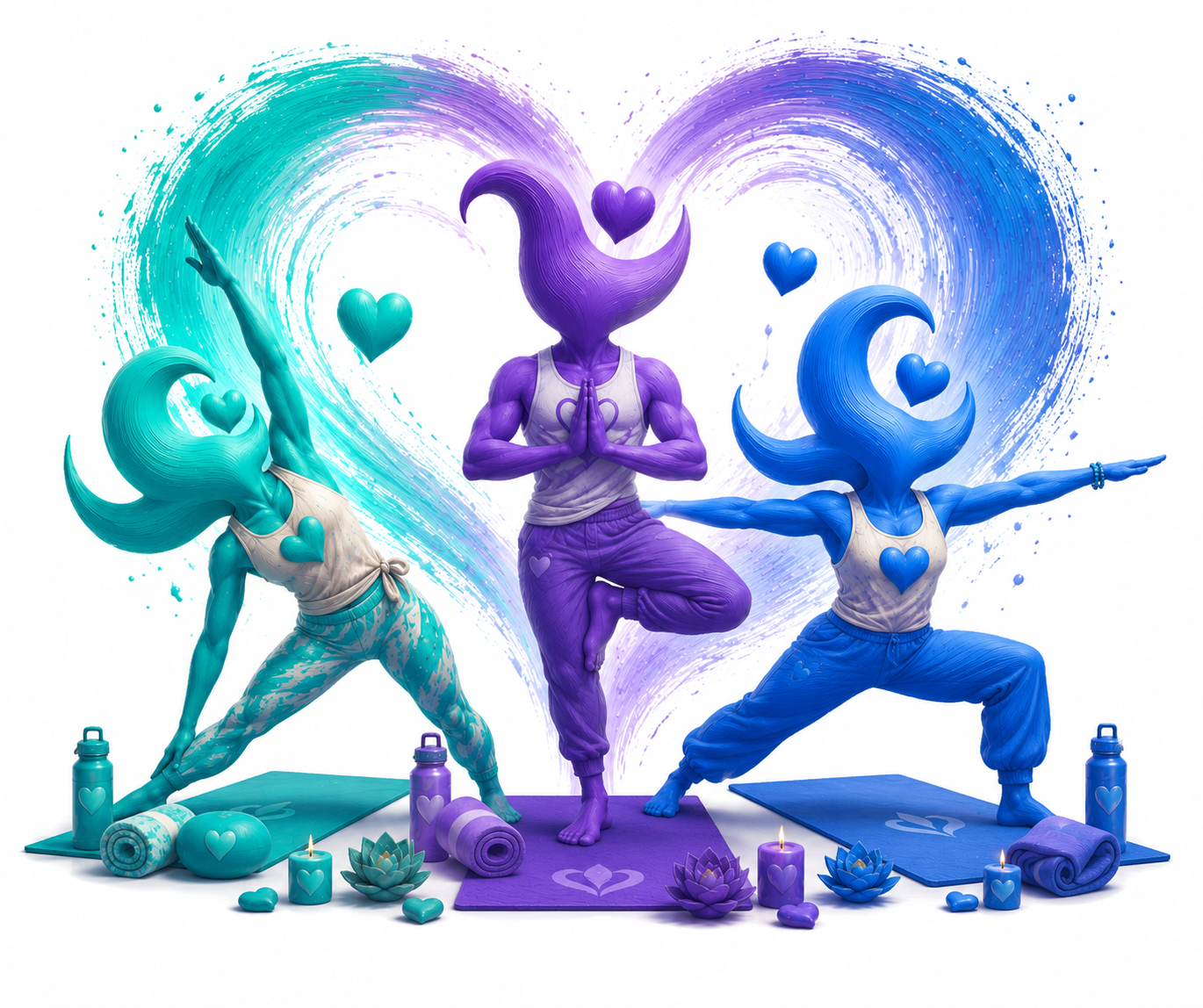
A welcoming room can change the way someone sees themselves. A child who is nervous to pick up a paintbrush, a young person who finds it hard to speak in a group, a parent who needs a calm hour, or an older resident who wants to feel less alone, each person arrives with a different need. Creativity and movement offer a gentle way in.
The Creative Hearts is a Barnet-based non-profit organisation built around that simple belief. Through art workshops, yoga and movement sessions, and community activities, it creates safe, accessible spaces where people can express themselves, build confidence, improve wellbeing and feel part of something local.
This work matters because wellbeing is not only shaped by appointments, advice or services. It is also shaped by the places where people feel seen, the activities that help them relax, and the relationships that grow when people spend time together. Creative spaces can give people room to try, make, move, talk, listen and belong.

Why accessible creative spaces matter
Creativity can feel personal, but access to it is often shaped by practical barriers. Cost, confidence, transport, language, caring responsibilities, disability, anxiety and past experiences can all stop people from joining in. A workshop might seem simple from the outside, yet for someone who feels unsure, walking into a new space can take courage.
The Creative Hearts works to reduce those barriers. Its vision is to create accessible creative and movement spaces for people of all ages, with activities that help people express themselves and connect with their community. That means the focus is not only on the finished painting, the yoga pose or the activity itself. The focus is on the experience around it.
A good community session asks quiet but important questions.
Does the space feel safe?
Can people join in at their own pace?
Are different ages and abilities welcomed?
Is there room for both conversation and quiet?
Can someone take part without feeling judged?
When the answer is yes, people are more likely to return. They may try something new. They may speak to someone they have never met before. They may begin to carry that confidence into other parts of life.
Accessible spaces also help remove the idea that art or yoga is only for people who are already skilled, flexible or confident. In community wellbeing work, participation matters more than perfection. A person does not need to create a polished artwork to feel pride. They do not need to master a movement sequence to feel more connected to their body.
Small steps count. Choosing a colour counts. Staying for the full session counts. Sharing a thought with the group counts. For many people, these are meaningful moments of confidence.
How art helps people build confidence and self-expression
Art gives people another language. For children, young people and adults alike, it can make room for feelings and ideas that are hard to put into words. A blank page can become a place to explore mood, memory, hope or imagination without needing to explain everything.
In a supportive workshop, the process is as important as the result. Someone might begin by saying, “I’m not creative.” After a few minutes, they may start testing colours, shaping materials or adding details. By the end, they have made something that did not exist before. That simple act can shift how they feel about their own ability.
The Creative Hearts uses art workshops as part of a wider commitment to wellbeing, inclusion and participation. These sessions can support confidence in several ways.
Art gives permission to try
Many people carry a fear of getting things wrong. Creative activities soften that fear because there is no single correct answer. A drawing can be abstract. A collage can be layered. A clay shape can change as it is made. This helps people practise decision-making in a low-pressure way.
Art creates visible progress
A finished piece gives people something to look at and say, “I made that.” For a child, that can build pride. For a young person, it can support identity and self-belief. For an adult, it can offer a sense of achievement that may be missing during a difficult stage of life.
Art supports conversation
Sitting side by side with materials can make talking easier. People do not have to make eye contact or speak before they are ready. Conversation can grow naturally through shared tools, colours, ideas and encouragement.
Art welcomes different strengths
Some people enjoy detail. Others enjoy bold colour. Some prefer quiet focus. Others like group work. A well-designed creative session leaves space for different personalities and abilities, which helps people feel respected.
The Creative hearts Yoga and Arts programmes reflect this wider purpose. They are not only about activities on a timetable. They are about giving people practical, human ways to feel capable, included and connected.

Why yoga and movement support wellbeing
Movement can help people return to themselves. It encourages awareness of breath, posture, strength and rest. For some, movement is energising. For others, it offers a rare moment of calm. In a community setting, it can also reduce isolation by bringing people together around a shared practice.
The Creative Hearts includes yoga and movement sessions because wellbeing is physical as well as emotional and social. Many people hold stress in the body. Gentle movement can help them notice tension, slow down and build a kinder relationship with themselves.
This does not mean every session needs to be intense or advanced. In fact, accessible movement often works best when it is adaptable. A participant may sit on a chair, use a mat, take breaks, or choose a smaller movement. The message is clear: the body you bring today is welcome.
For children and young people, movement can support body awareness, balance, confidence and emotional regulation. Creative movement gives them an outlet for energy and imagination. It can also help those who struggle with traditional group activities because it offers a different way to participate.
For women and families, movement sessions can provide time to pause, breathe and reconnect. Caring responsibilities often leave little room for personal wellbeing. A gentle class can become a protected space where people are not only looking after others, but also themselves.
For older adults or people returning to activity after a break, accessible movement can support confidence. The aim is not performance. The aim is to feel safe moving, to build trust in the body, and to enjoy being part of a group.
Wellbeing activities should never replace medical advice or treatment. They can, though, sit alongside other forms of support as part of a healthy community life. When people have regular places to move, create and connect, they gain more opportunities to look after themselves before they reach crisis point.
Building community through shared experience
Loneliness and disconnection can affect people at any age. A young person can feel isolated in a busy school. A parent can feel alone while caring for others. An older person can go days without meaningful conversation. Community activities help address this by creating regular, welcoming points of contact.
The Creative Hearts brings people together through shared creative and movement experiences. These activities create a reason to gather, but the deeper value often comes from what happens around them. People learn each other’s names. They notice when someone has been away. They share encouragement. They begin to feel that they belong.
Community connection grows through small repeated moments.
A child proudly showing their artwork to a parent
A participant helping someone find materials
A group laughing during a movement activity
A quiet conversation after a yoga session
A family returning because the space feels familiar
These moments may seem ordinary, but they can have lasting meaning. Belonging is built through consistency and care.
Shared creative spaces can also bring together people who might not otherwise meet. Different ages, backgrounds and life experiences can sit around the same table or move in the same room. That kind of contact helps build understanding. It reminds people that community is not an abstract idea. It is made through real encounters.
For a Barnet-based organisation, this local connection matters. Barnet is home to families, young people, community groups and residents with many different needs and stories. A non-profit rooted in the area can respond with sensitivity because it understands that wellbeing is shaped by local relationships as well as individual effort.

Making participation possible for different stages of life
People need different kinds of support at different times. A child may need safe play and creative freedom. A teenager may need confidence and a space to be heard. A woman experiencing stress or change may need rest and connection. A family may need affordable, welcoming activities they can take part in together. A wider community may need places where people can meet without pressure.
The Creative Hearts designs programmes with this range in mind. Its work supports children, young people, women, families and the wider community. That breadth is important because wellbeing does not sit in one age group or one type of need.
A child who grows up with access to supportive creative activities may learn that their ideas matter. A young person who joins a group may find a healthy outlet for self-expression. A parent who attends a session may leave feeling calmer and less alone. An older resident may gain a new routine and a new connection.
This is how community wellbeing becomes practical. It is not only a broad aim. It becomes a room, a session, a facilitator, a set of materials, a warm welcome and a reason to come back.
To make participation possible, programmes need to be designed with care. That can include:
Clear information about what to expect
Activities that can be adapted for different abilities
A non-judgemental atmosphere
Friendly facilitators who notice when someone needs support
Space for both individual expression and group connection
A focus on enjoyment, not pressure
When these details are in place, people can take part with more ease. They do not have to prove they belong. The structure of the session tells them they do.
Why creativity and movement work best together
Art and movement may seem different, but they share a common purpose. Both help people explore what they feel, discover what they can do and connect with others. Art often begins with the hands and imagination. Movement begins with the body and breath. Together, they support the whole person.
A young person might use art to express emotions, then movement to release energy. A parent might find calm through yoga, then enjoy the playfulness of a creative workshop. A child might build confidence by dancing, painting and sharing ideas in a group. These activities do not need to stand alone. They can strengthen each other.
This mix also gives people choice. Not everyone feels comfortable with the same form of expression. Some people speak through colour. Some through movement. Some through making, stretching, listening or helping others. A varied programme allows more people to find an entry point.
That choice is central to inclusion. If the goal is to make positive experiences accessible to everyone, people need more than one pathway in. The Creative Hearts recognises this by combining art, yoga, movement and community activities in safe and supportive spaces.
The result is a model of community support that feels human. It meets people where they are, then gives them room to grow.

A creative community is built one session at a time
The Creative Hearts shows how much can happen when creativity, movement and connection are treated as everyday parts of wellbeing. A workshop can help someone speak through colour. A yoga session can help someone breathe more fully. A community activity can help someone feel less alone.
None of these moments needs to be dramatic to matter. Confidence often grows quietly. Wellbeing often improves through steady habits. Community often forms through repeated acts of welcome.
The key takeaway is simple: accessible creative and movement spaces give people more than something to do. They give people a place to feel included, capable and connected.
For children, young people, women, families and the wider community, that kind of space can make a real difference. It can support people through different stages of life and remind them that creativity is not a luxury. It is a shared resource for wellbeing, confidence and belonging.


Comments